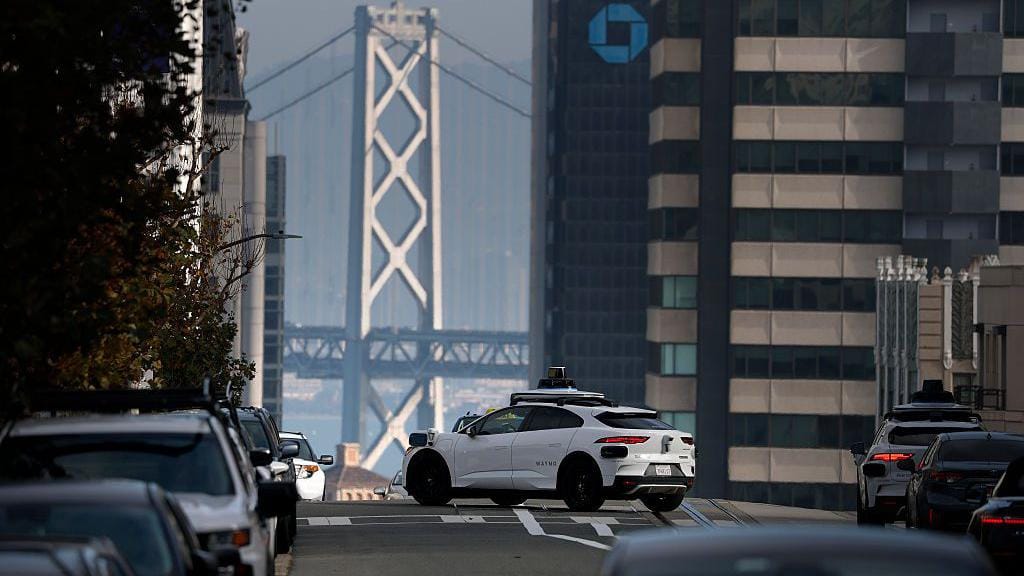
California is now ticketing driverless cars that break traffic laws. Find out what this means for autonomous vehicle companies and American roads. Read more!
Table of Contents
California Is Now Ticketing Driverless Cars — Here’s What Every American Needs to Know
California has officially entered a new chapter in traffic law enforcement. The state is now moving forward with plans to ticket autonomous vehicles — driverless cars — that are caught violating traffic laws on public roads. This bold decision is shaking up the tech industry, raising serious questions about legal accountability, public safety, and the future of self-driving technology across America.
If you’ve ever wondered what happens when a robot car runs a red light — California just answered that question, and the answer might surprise you.
What Is California’s New Driverless Car Ticketing Policy?
California’s Department of Motor Vehicles (DMV) and state lawmakers have been working closely with law enforcement agencies to establish a clear enforcement framework for autonomous vehicles operating on public roads.
Under the new approach, driverless cars caught breaking traffic laws — such as running red lights, illegal lane changes, speeding, or blocking intersections — will now be subject to formal citations. This marks a significant shift from previous years when autonomous vehicles often operated in something of a legal gray zone when it came to traffic violations.
Previously, officers could stop a self-driving car but had limited tools to issue enforceable penalties. That gap is now being closed.
Why Is California Taking This Step Now?
The timing of this enforcement push is no coincidence. Over the past two years, autonomous vehicles — particularly robotaxis operated by companies like Waymo and the now-restructured Cruise — have expanded significantly across California cities, especially San Francisco and Los Angeles.
With more driverless cars on the road comes more reported incidents:
- Blocking emergency vehicles at critical moments
- Sudden stops in the middle of busy intersections
- Confusion at crosswalks causing pedestrian safety concerns
- Illegal turns and failure to yield violations
- Traffic congestion caused by AV software errors
California authorities argue that if autonomous vehicles are going to share roads with human drivers, they must be held to the same traffic standards — no exceptions.
Who Actually Gets the Ticket — The Car or the Company?
This is where things get legally interesting. Since there’s no human driver behind the wheel, the question of who receives the citation is more complicated than it sounds.
Here’s how California is approaching it:
- The registered owner of the autonomous vehicle — typically the tech company operating the fleet — is held responsible
- Companies like Waymo, Tesla, and others deploying fully autonomous vehicles will receive citations directly
- Fines and penalties will be issued to the operating company, not an individual
- Repeated violations could trigger license suspensions for AV operators in California
- Serious incidents may lead to legal investigations and potential lawsuits
This essentially means autonomous vehicle companies now carry full legal and financial responsibility for every traffic law their vehicles break on California roads.
How Does This Affect Major AV Companies Operating in California?
Several major players in the autonomous vehicle space are directly impacted by this new enforcement approach.
Waymo, currently one of the most active robotaxi services in California, has maintained a relatively strong safety record but has still been involved in reported traffic irregularities.
Tesla’s Full Self-Driving (FSD) technology, while requiring driver supervision, operates in a gray area as the system becomes increasingly autonomous.
Cruise, once a major competitor, dramatically scaled back its California operations following a serious incident in San Francisco in late 2023. New enforcement rules add another layer of pressure on its potential comeback.
For all these companies, the financial implications are significant:
- Increased compliance and monitoring costs
- Potential insurance premium hikes
- Risk of operating license revocation
- Reputation damage affecting investor confidence
What Does This Mean for the Future of Self-Driving Cars in America?
California has long been the trendsetter for American tech regulation. What starts in California rarely stays there.
Several other states are already watching closely. New York, Texas, and Arizona — all major AV testing hubs — are expected to develop similar enforcement frameworks if California’s approach proves effective.
This could reshape the autonomous vehicle industry in three major ways:
- Stricter software standards — Companies will be forced to improve AV decision-making to avoid costly violations
- Increased transparency — AV operators may be required to report traffic incidents publicly
- New insurance products — The insurance industry will likely develop specialized autonomous vehicle liability coverage
For everyday Americans, this means safer roads, greater accountability, and clearer legal protections if something goes wrong with a driverless car near you.
Public Reaction Across California
Californians have had mixed but largely supportive reactions to the new enforcement policy.
Many residents — particularly in San Francisco — have expressed frustration with driverless cars stalling traffic, blocking fire trucks, and causing confusion at busy intersections. For them, this new policy is long overdue.
Tech industry supporters, however, warn that overly aggressive enforcement could slow innovation and push autonomous vehicle development out of California to less regulated states.
The debate reflects a broader national conversation about how America balances technological progress with public safety.
FAQs — California Driverless Car Traffic Law Enforcement
Q1: Can a driverless car actually receive a traffic ticket in California?
Yes. California is now implementing a system where autonomous vehicles that violate traffic laws can receive formal citations. The registered company operating the vehicle is held financially responsible.
Q2: Who pays the fine when a self-driving car breaks a traffic law?
The operating company — such as Waymo or Tesla — pays the fine as the registered owner of the autonomous vehicle fleet, not an individual passenger.
Q3: What traffic violations can driverless cars be ticketed for?
Autonomous vehicles can be cited for speeding, running red lights, illegal lane changes, blocking intersections, failure to yield, and other standard traffic violations.
Q4: Could this enforcement policy affect Tesla Full Self-Driving users?
Yes. While Tesla FSD still requires driver supervision, increasing autonomy levels may bring Tesla vehicles under similar scrutiny as fully driverless systems expand.
Q5: Will other US states follow California’s lead on ticketing driverless cars?
Very likely. States including New York, Texas, and Arizona are monitoring California’s approach and may adopt similar enforcement frameworks for autonomous vehicles.
Conclusion — A New Era of Accountability on American Roads
California’s decision to ticket driverless cars that violate traffic laws is more than just a policy update — it’s a statement about accountability in the age of artificial intelligence.
Technology must earn its place on public roads, and that means playing by the same rules as everyone else. As autonomous vehicles become a bigger part of American life, clear legal boundaries aren’t just helpful — they’re essential.
Stay informed with HNP Times for the latest updates on autonomous vehicle laws, technology news, and everything shaping American roads today.