
Xi Jinping and Vladimir Putin strengthen ties at the SCO summit, positioning China as a rising global leader and challenging US dominance.
Table of Contents
Xi & Putin Unite: China Positions Itself as Global Leader
Introduction
At the Shanghai Cooperation Organization (SCO) summit in Tianjin, China, world leaders witnessed a powerful display of unity between Chinese President Xi Jinping and Russian President Vladimir Putin. With the United States’ influence facing growing challenges, China has positioned itself as a rising global leader, aiming to reshape the world order and redefine global governance.
Xi’s vision for a multipolar world challenges Western dominance and signals a potential shift in the balance of power, as China and Russia stand shoulder to shoulder in confronting U.S. hegemony.
Xi Jinping’s Bold Vision for Global Leadership
During his opening remarks, Xi criticized “bullying practices” and warned against allowing “a few countries” to impose their rules on the rest of the world.
Key highlights from Xi’s address:
- Advocated for a just and equitable global governance system
- Pledged ¥2 billion ($280M) in grants to SCO nations
- Offered ¥10 billion ($1.4B) in loans for economic development
- Unveiled the Global Governance Initiative to strengthen multilateralism
Xi emphasized economic integration, promoting trade and investment opportunities among SCO members, and challenging the U.S.-led rules-based order.
SCO Summit: The Epicenter of Strategic Power
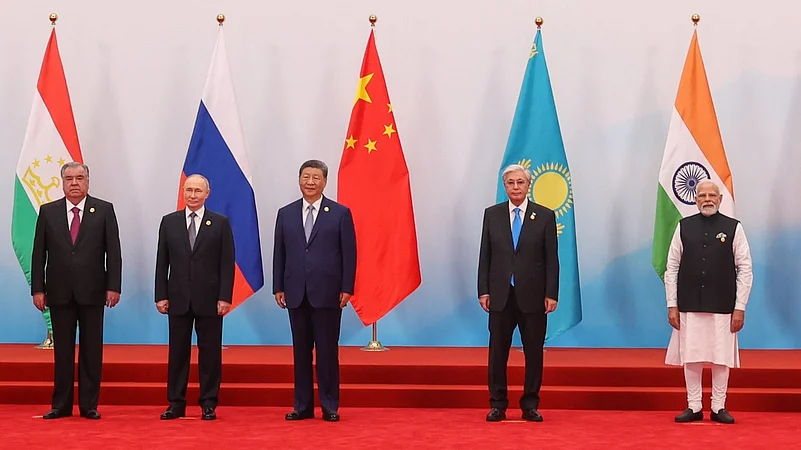
The SCO Summit 2025 is one of the largest diplomatic events of the year, attended by major global players, including:
- Vladimir Putin – Russia
- Narendra Modi – India
- Recep Tayyip Erdoğan – Turkey
- Leaders from Iran, Pakistan, Belarus, and Central Asia
With more than 20 world leaders present, the summit became a platform for shaping future alliances and redefining Eurasian security and economic cooperation.
China-Russia Alliance Strengthens
Xi and Putin showcased their deep personal rapport with warm gestures and candid discussions. Both leaders emphasized their shared vision of:
- Resisting Western sanctions
- Strengthening economic partnerships
- Promoting an alternative world order
Putin praised Xi’s leadership, stating that the SCO lays the foundation for a “new system” of Eurasian security, one that rejects Western dominance and seeks balanced multipolar cooperation.
India’s Strategic Role at the SCO Summit

Indian Prime Minister Narendra Modi played a crucial role at the summit, balancing relationships with both China and Russia despite rising tensions with the United States.
Highlights from Modi’s participation:
- Held private talks with Putin in the Russian presidential limousine, the Aurus
- Engaged in trilateral discussions with Xi and Putin
- Emphasized India’s support for peace efforts in Ukraine
However, U.S. tariffs on India—recently raised to 50% by President Trump—have strained New Delhi’s relations with Washington, accelerating a closer India-China partnership.
Ukraine War and Western Sanctions: A Key Focus
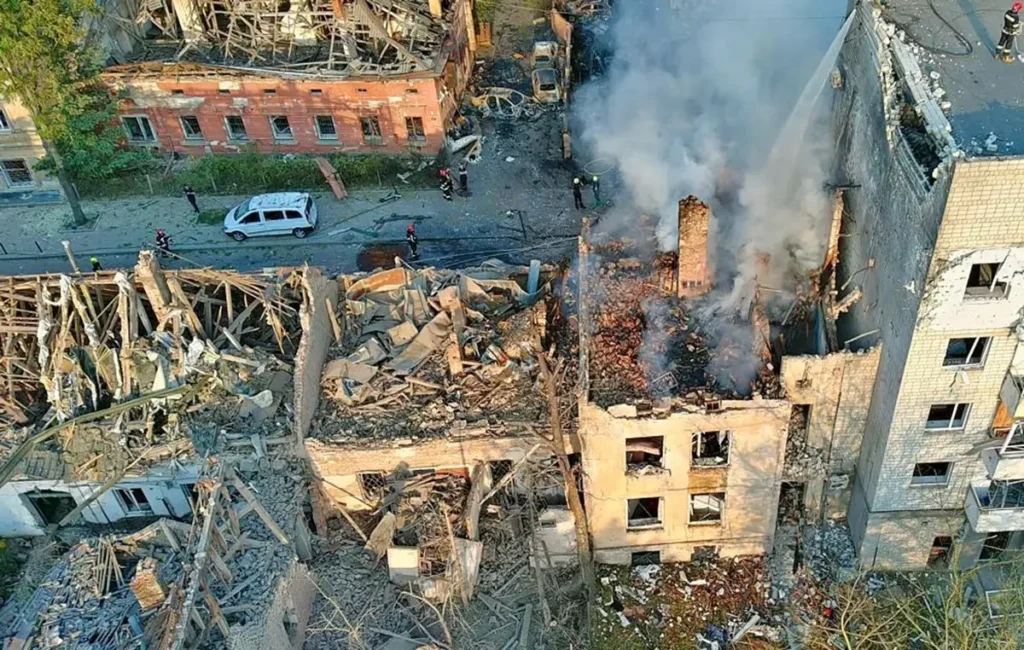
Putin used the SCO platform to reiterate Russia’s position on Ukraine, blaming the West for the ongoing conflict and framing Moscow’s actions as a response to Western provocation.
China, meanwhile, has openly increased trade with Russia, purchasing discounted oil and supplying critical goods, while carefully positioning itself as a neutral mediator.
This partnership is causing concern in Washington, as Beijing’s growing economic and strategic support boosts Moscow’s resilience despite sanctions.
Trump’s “America First” Policy Under Pressure
President Donald Trump’s policies have deeply impacted the global economy and U.S. relations with major powers:
- Withdrawing from international organizations
- Escalating trade wars with China, India, and Europe
- Imposing record-breaking tariffs on strategic imports
This shifting landscape has opened a power vacuum, giving China an opportunity to position itself as a key alternative global leader.
What Xi’s Global Governance Initiative Means
Xi’s newly launched Global Governance Initiative marks a strategic push to:
- Give developing nations a stronger voice
- Reform international institutions like the UN
- Promote inclusive economic globalization
- Counterbalance U.S.-led alliances like NATO
This move signals China’s long-term ambition to replace Western-dominated frameworks with Beijing-backed multilateral systems.
Impact on Global Trade and Investments
Xi’s call for integration over decoupling could reshape global trade dynamics:
- SCO members represent over 40% of the world’s population
- China is offering huge grants and loans to boost trade
- Russia and India are leveraging strategic partnerships
- Emerging markets in Asia & the Middle East gain new opportunities
These policies aim to make Beijing the center of global trade, challenging Washington’s economic dominance.
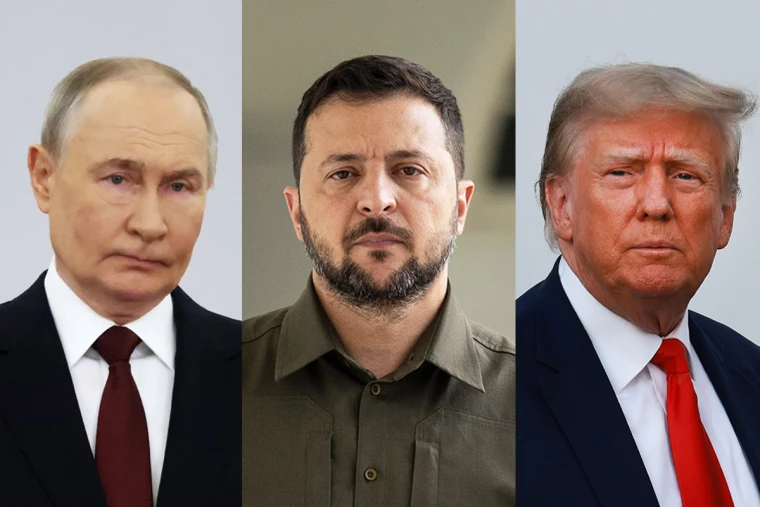
Future Outlook: A Multipolar World Order
The Xi-Putin alliance, coupled with growing Indian involvement, marks the beginning of a potential shift toward multipolarity. The key trends to watch:
- China’s expanding influence in Asia, Africa, and the Middle East
- Strengthening SCO-led security and economic frameworks
- U.S. struggles to maintain dominance amid rising competitors
- The Ukraine war reshaping global alliances
If China succeeds, the world could see reduced U.S. hegemony and a new power equilibrium.
Frequently Asked Questions (FAQs)
1. What is the Shanghai Cooperation Organization (SCO)?
The SCO is a political, economic, and security alliance of major Eurasian nations, including China, Russia, India, Pakistan, Iran, and others.
2. Why is the Xi-Putin alliance significant?
It strengthens the China-Russia partnership, challenging U.S. influence and reshaping global governance.
3. How does this summit affect India?
India is balancing ties with China, Russia, and the U.S., but rising U.S. tariffs are pushing New Delhi closer to Beijing.
4. How will this impact the global economy?
The SCO’s policies aim to boost trade, challenge U.S. sanctions, and reshape economic alliances, potentially leading to higher global integration.
5. Is the U.S. losing its global dominance?
With China, Russia, and India forming closer ties, the U.S. faces a growing challenge to its leadership role in international politics.