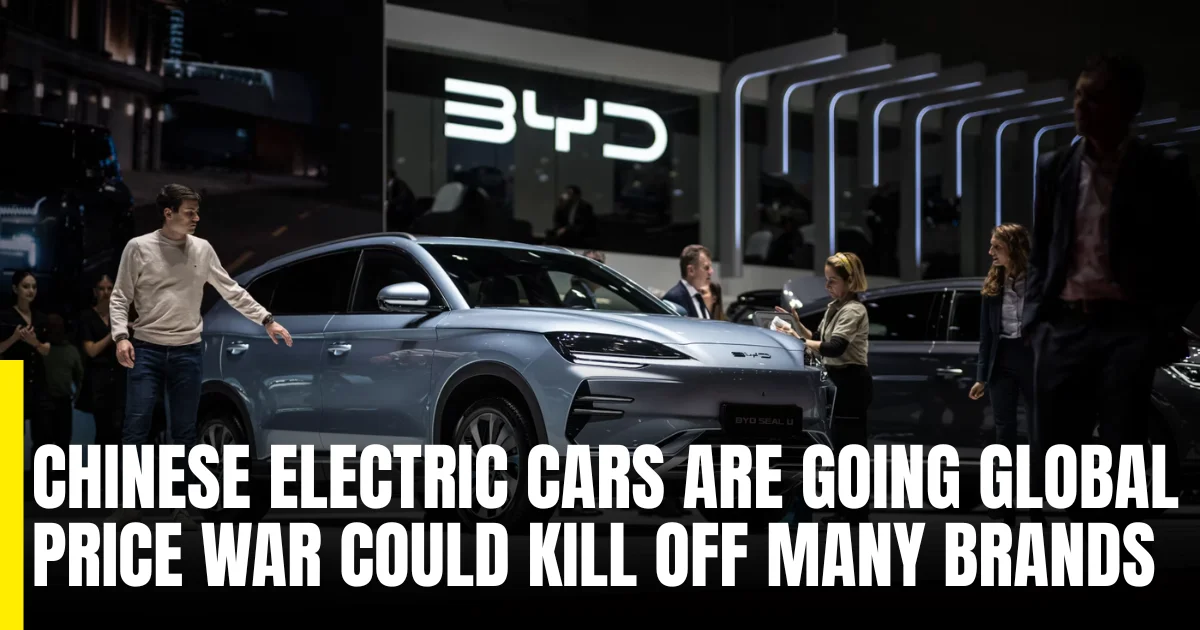
China’s EV giants like BYD and Geely expand abroad, but brutal price wars at home risk wiping out smaller brands. Read the full story here.
Table of Contents
Chinese Electric Cars Are Going Global – But Price Wars Could Kill Many Brands
Introduction
China has rapidly emerged as the world’s largest electric vehicle (EV) market, producing global leaders like BYD, Geely, and Changan. Its EV exports surged to nearly 6 million units in 2024, surpassing every other nation. Yet behind this success lies a harsh reality: relentless price wars that have bankrupted hundreds of smaller EV brands. Industry experts warn that while China’s electric cars are going global, cut-throat domestic competition could endanger the survival of many automakers.
The Rise and Fall of Ji Yue – A Cautionary Tale
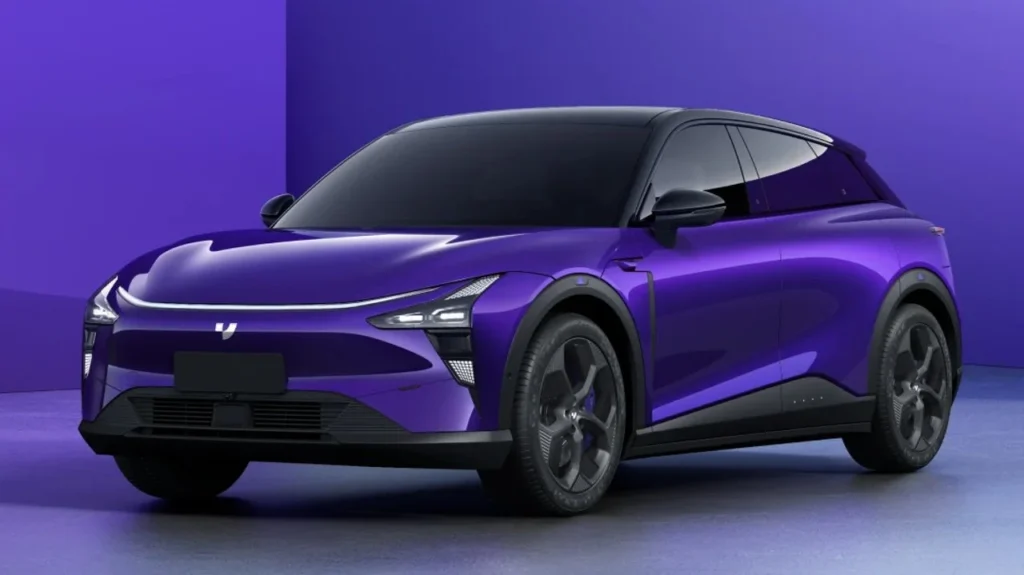
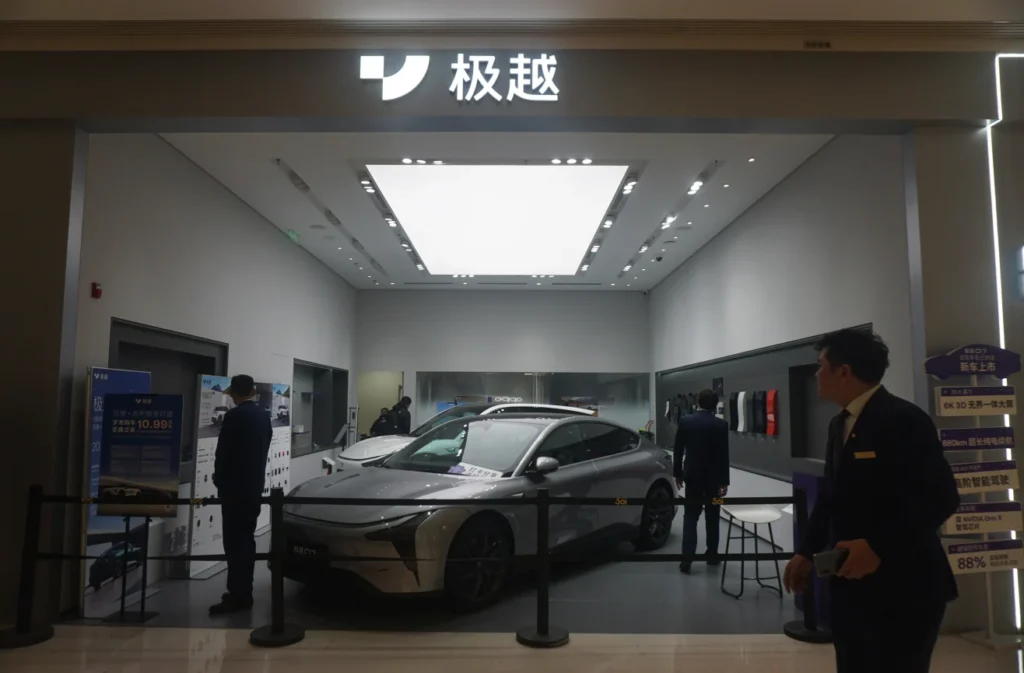
One of the starkest examples of China’s EV struggles is the collapse of Ji Yue, a startup backed by tech giant Baidu and automaker Geely. Despite promising sales and strong investors, the company folded within three years. Its downfall left suppliers and partners with millions in unpaid debt, highlighting the financial instability created by oversupply and falling profit margins.
How China Became the World’s EV Powerhouse
- Government subsidies and tax breaks fueled EV adoption since the 2000s
- China’s EV sales surpassed Tesla’s in 2023, led by BYD
- At its peak, the nation had nearly 500 domestic EV brands
- Cheap labor, advanced supply chains, and strong domestic demand gave China a global edge
The Brutal Reality of EV Price Wars
- Profit margins in China’s auto industry dropped from 8% in 2017 to just 4.3% in 2023
- Overcapacity: Factories run at only 50% utilization
- Suppliers squeezed: Many are forced to sell below cost and accept long payment delays
- Quality at risk: Cost-cutting has reduced component reliability and innovation
“If not you, then them” has become the mantra in China’s knock-out rounds of EV competition.
Global Expansion Meets International Pushback
As domestic markets shrink, Chinese EV makers are going global:
- BYD, Chery, Geely, Changan lead exports to Europe, Mexico, and Southeast Asia
- Nearly 6 million cars were exported in 2024, making China the world’s top auto exporter
- However, countries like EU, Canada, and Mexico have imposed tariffs and restrictions to protect local industries
Beijing’s Crackdown on “Disorderly Competition”
The Chinese government is taking steps to control the chaos:
- Summoning automakers to discourage price wars
- Introducing rules to shorten supplier payment cycles
- Reducing local subsidies to prevent overcapacity
- Promoting consolidation among automakers
Yet, experts argue these are short-term fixes, as cutting capacity risks mass job losses—the auto industry employs over 4.8 million workers in China.
What’s Next for China’s EV Industry?
Analysts predict the “knock-out rounds” will continue for another 5 years, leaving only a handful of strong brands. Consolidation, global partnerships, and investment in innovation rather than price-cutting will determine who survives.

🔹 FAQs
Q1. Why are Chinese EV makers struggling despite strong global exports?
Chinese EV makers face domestic overcapacity and brutal price wars, which slash profits and force weaker brands out of the market.
Q2. Which Chinese EV companies are leading globally?
Top exporters include BYD, Geely, Chery, and Changan, with BYD overtaking Tesla in sales in 2023.
Q3. How does government policy affect China’s EV industry?
Generous subsidies fueled rapid growth, but now Beijing is trying to curb overcapacity and prevent destructive competition.
Q4. Will tariffs impact Chinese EV exports?
Yes. Countries like the EU and Canada are introducing tariffs to protect domestic industries from a flood of cheap Chinese EVs.
Q5. What is the future of smaller EV startups in China?
Many are unlikely to survive ongoing price wars, with experts predicting industry consolidation into a few dominant players.
Conclusion
China’s electric vehicle industry is at a crossroads. While exports continue to grow, the domestic market is plagued by cut-throat price wars that threaten jobs, innovation, and long-term sustainability. For global investors and policymakers, the story of China’s EV boom is both a lesson in rapid growth and a warning of overcapacity risks.
👉 What do you think? Will Chinese EV giants like BYD and Geely dominate the global market, or will price wars at home weaken their lead? Share your thoughts in the comments.